Neighborhoods
Discover the communities Jason serves
Maple Ridge
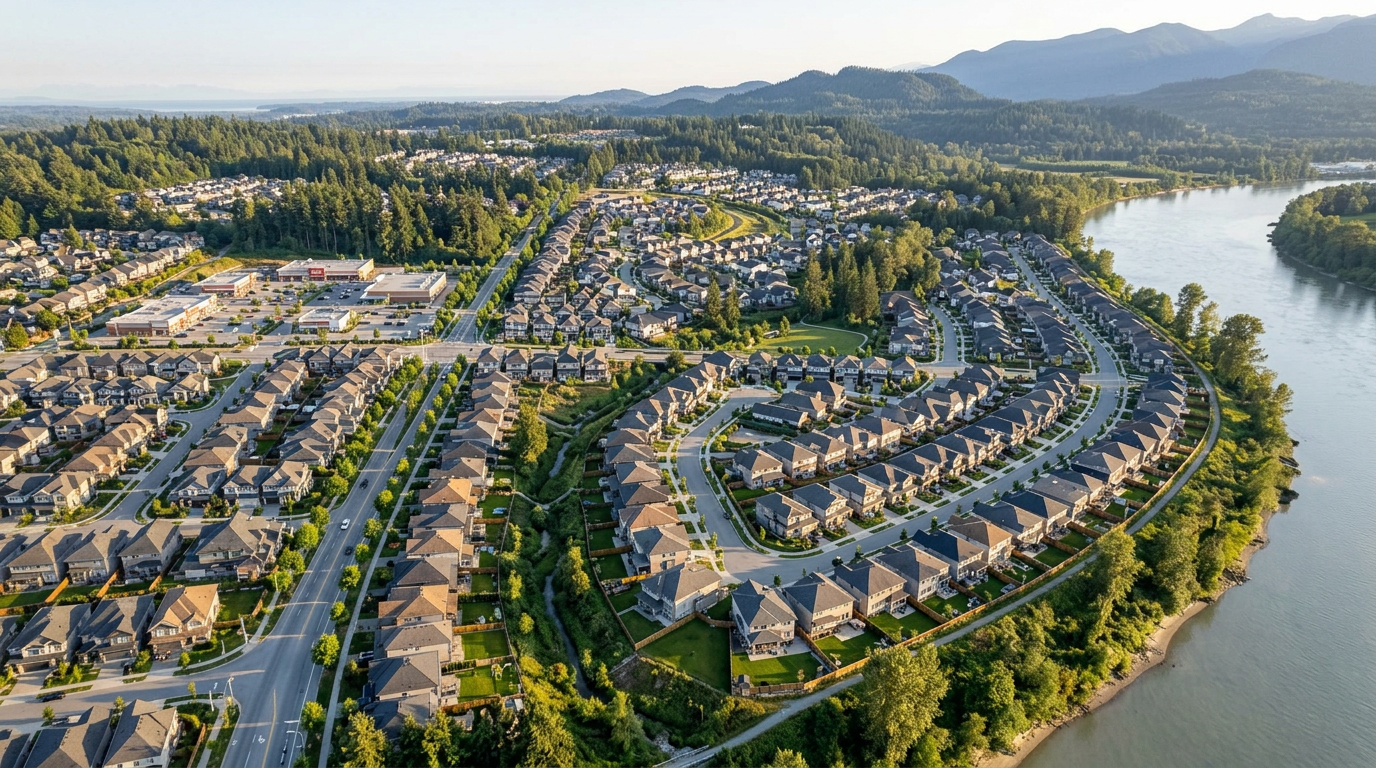
Albion
Albion sits in the easternmost reaches of Maple Ridge, where suburban comforts meet rural character. This predominantly residential area features a mix of single-family homes on generous lots, acreage properties, and newer developments that have expanded its footprint over the past couple of decades. The neighbourhood's layout encourages car-dependent living, though its roadways connect easily to major routes heading west toward the urban core or east into the Fraser Valley.
Maple Ridge
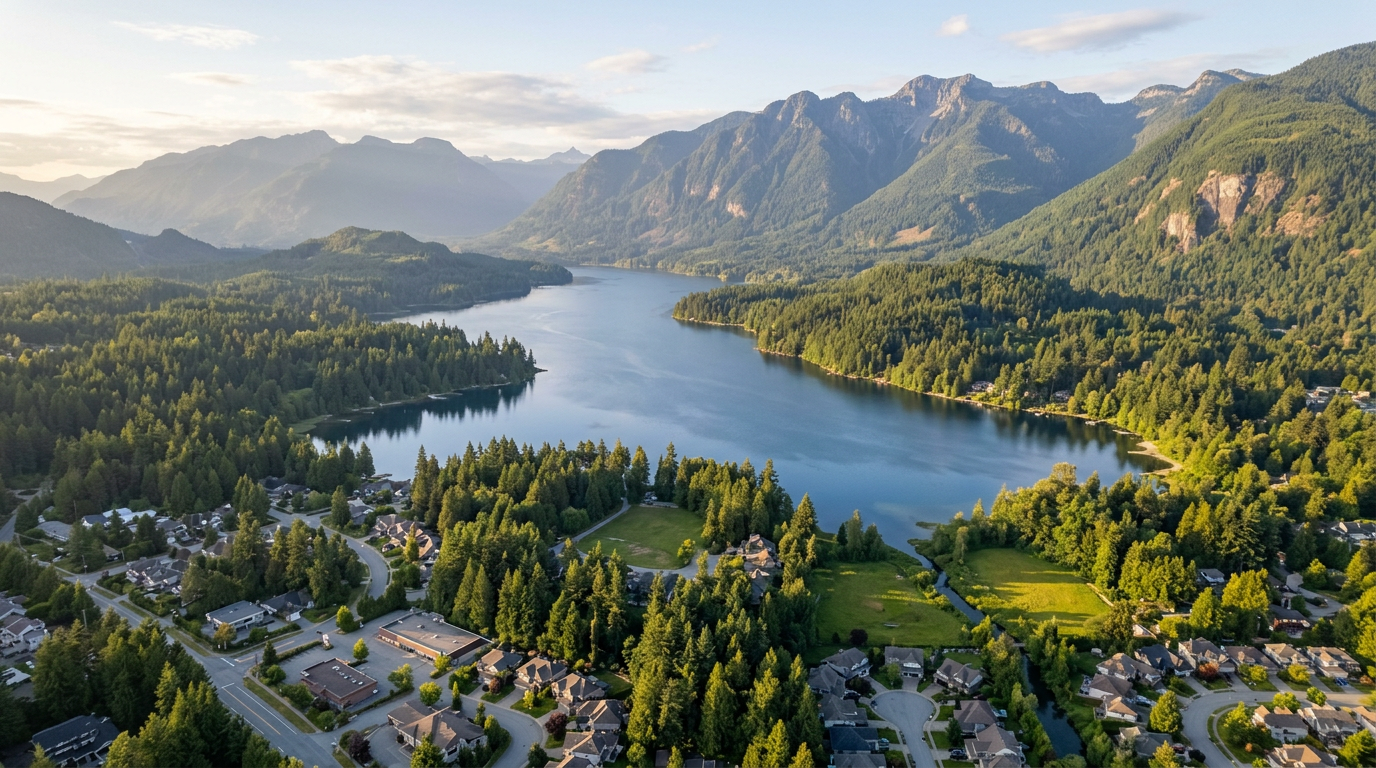
Alouette
Alouette sits in the northeastern section of Maple Ridge, defined by its proximity to the Alouette River and sweeping mountain views that frame the landscape. The area features a mix of single-family homes on spacious lots, ranging from established properties to newer builds, creating a quiet residential atmosphere with room to spread out. Tree-lined streets and the natural setting give the neighborhood a peaceful, semi-rural quality while remaining connected to central Maple Ridge amenities.
Maple Ridge
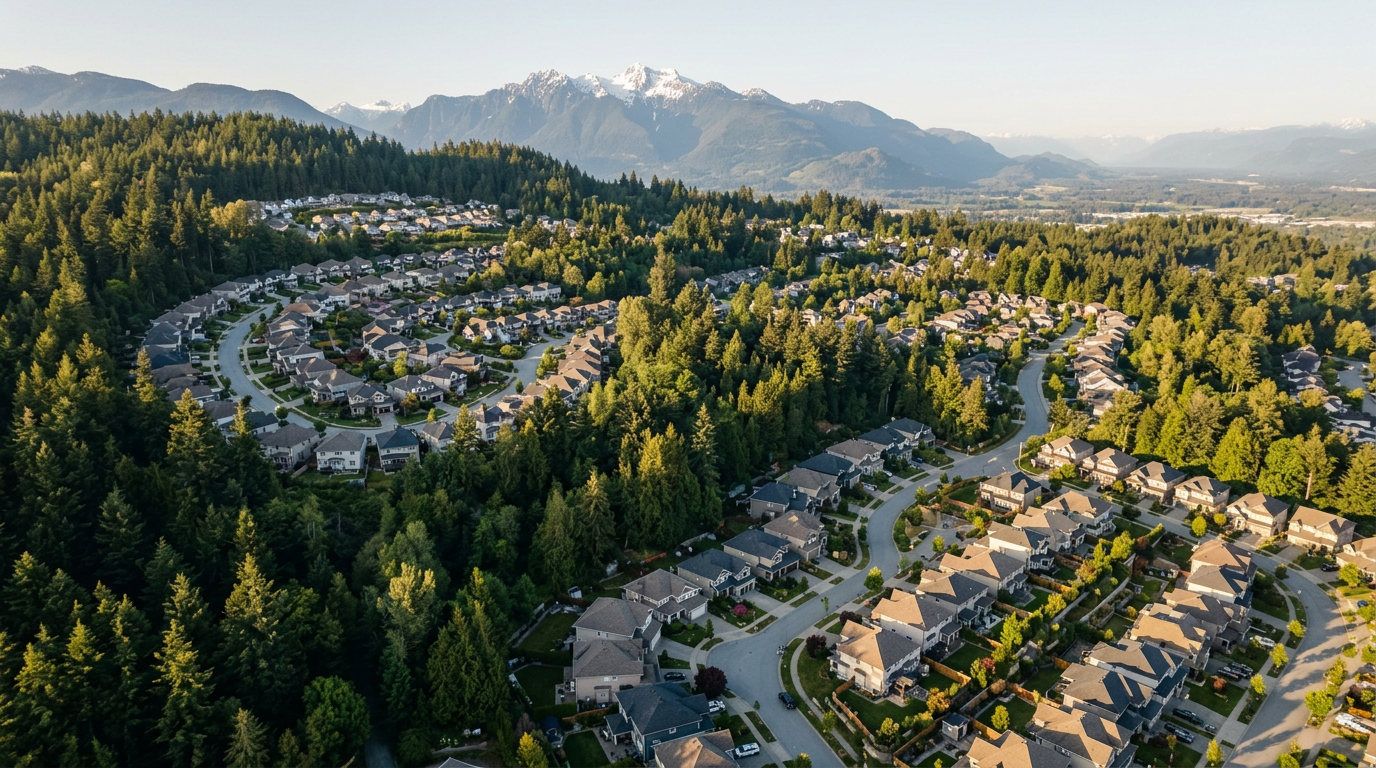
Blue Mountain
Blue Mountain rises gently above the Okanagan Valley, offering residents a hillside lifestyle defined by sweeping views, spacious properties, and a serene, semi-rural atmosphere. The neighborhood's elevated setting means many homes enjoy panoramic vistas of orchards, vineyards, and distant mountain ranges, while still remaining accessible to the amenities and services of nearby urban centers.
Maple Ridge
Central Maple Ridge
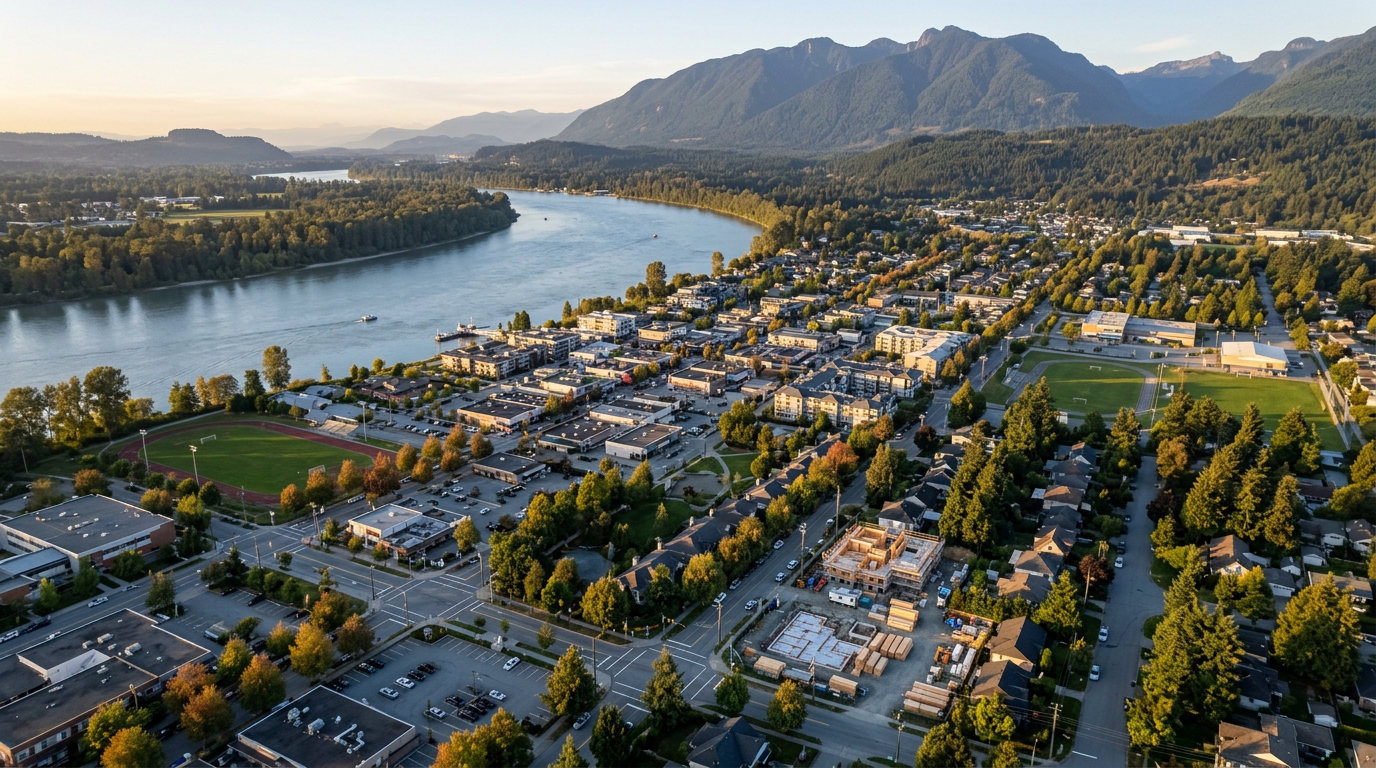
Central Maple Ridge sits at the heart of one of Metro Vancouver's most family-oriented communities, where tree-lined streets meet a welcoming small-town atmosphere just minutes from urban conveniences. The area features a mix of single-family homes, townhouses, and low-rise condos, many built within the past few decades, alongside charming older properties that add character to the streetscape.
Pitt Meadows
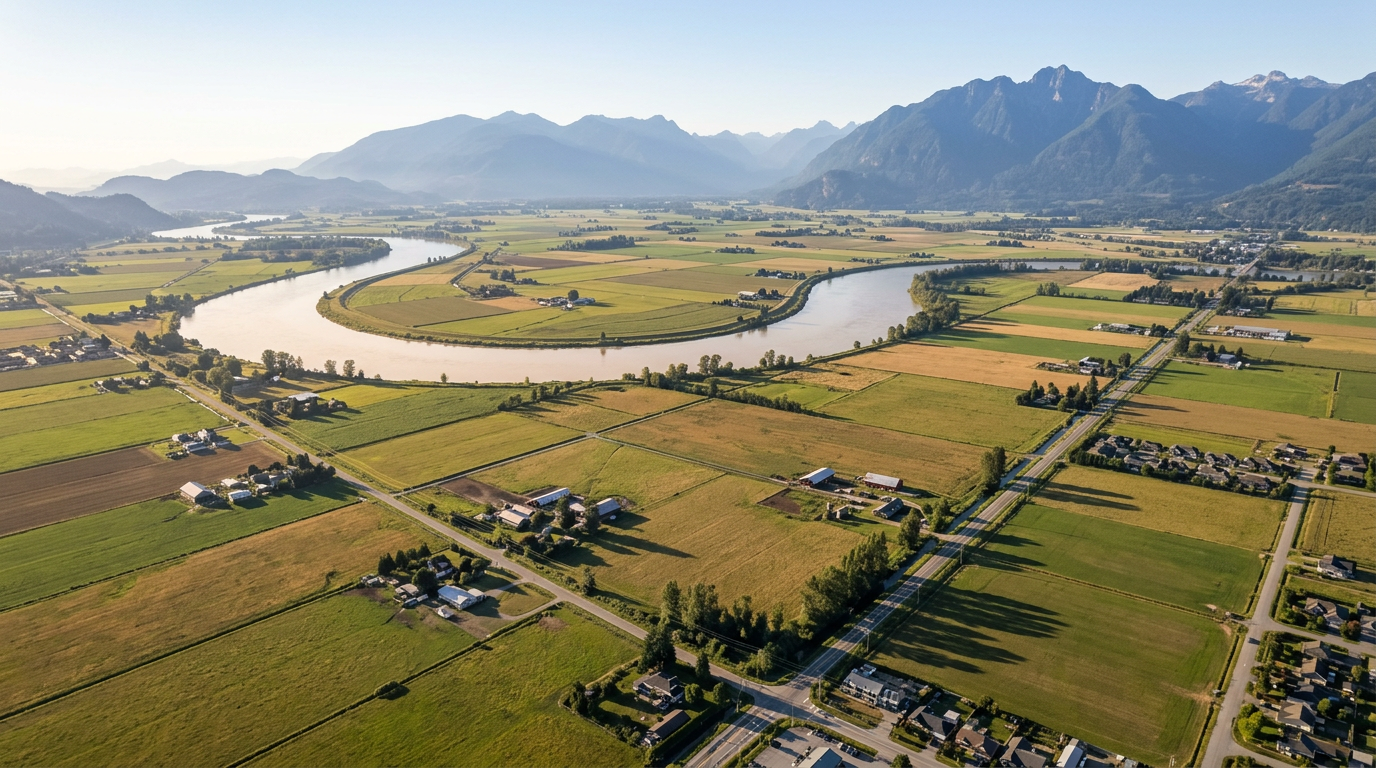
Pitt Meadows stretches across the fertile floodplains of the Fraser Valley in southwestern British Columbia, framed by the dramatic peaks of the Coast Mountains to the north and the winding waters of the Pitt and Fraser Rivers. The city's landscape shifts from agricultural lowlands to forested ridges, creating a distinctive rural-suburban character that sets it apart from the denser municipalities nearby.
Port Coquitlam
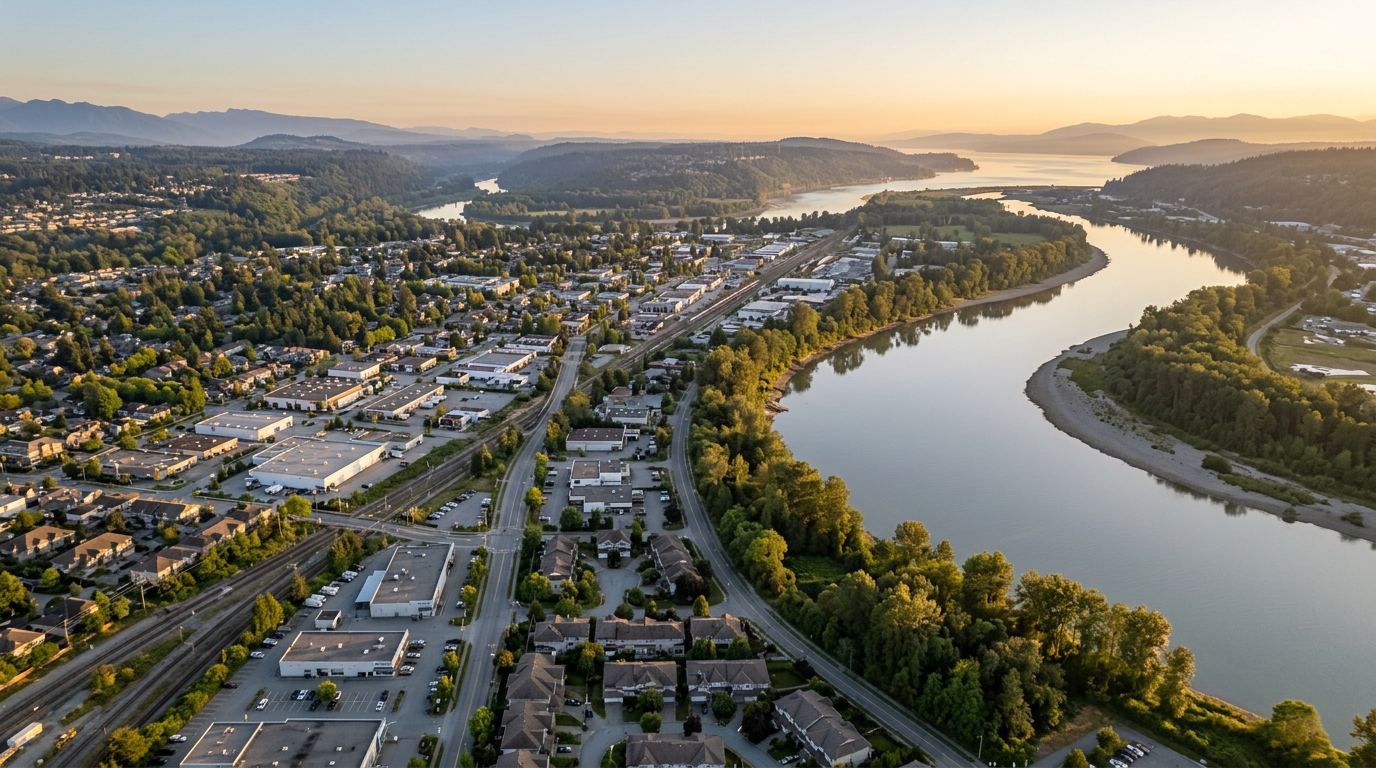
Port Coquitlam sits in the Tri-Cities area of Metro Vancouver's northeastern suburbs, where the Pitt and Coquitlam rivers define much of its landscape. Residential streets spread across gently rolling terrain, ranging from modest post-war houses on established lots to more recent townhome developments and low-rise condominiums. The city maintains a quieter, family-oriented feel compared to denser urban centers closer to downtown Vancouver, with neighborhood parks, community fields, and riverfront trails drawing residents outdoors year-round.
Langley
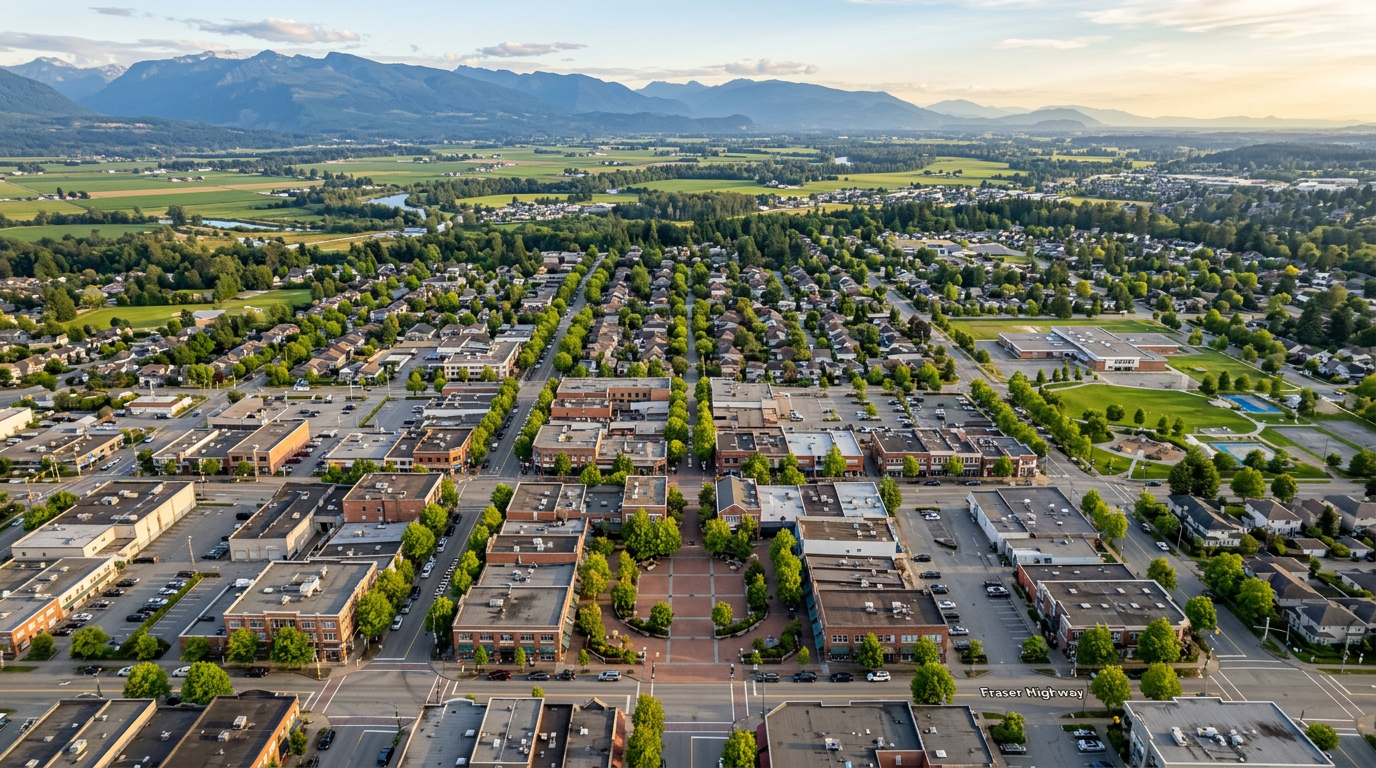
Langley stretches across rolling farmland and forested hillsides in British Columbia's Fraser Valley, roughly an hour east of Vancouver. The municipality encompasses both the Township of Langley, with its semi-rural character and newer subdivisions, and the compact City of Langley, known for its walkable downtown core along Fraser Highway. Housing varies widely—from acreage properties and horse-friendly lots in areas like Murrayville and Walnut Grove to townhomes and condos closer to the city center.
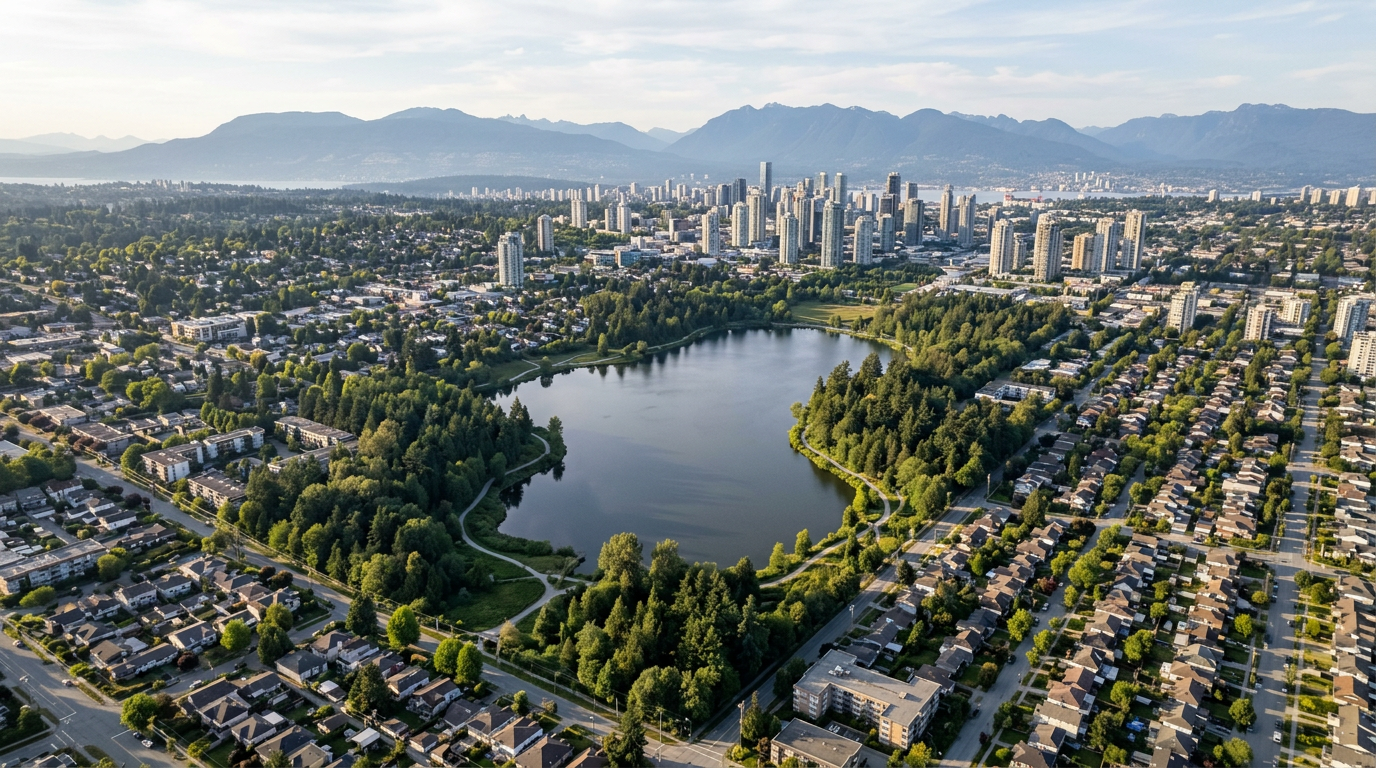
Burnaby
Burnaby stretches across hills and valleys between Vancouver and the Fraser River, occupying a central position in the Lower Mainland. The city's landscape rises from flatlands into forested ridges, offering a mix of older single-family streets, modern townhouse clusters, and high-rise residential towers concentrated around SkyTrain stations. Commercial corridors blend independent shops with larger retail centers, while nature remains close at hand through an extensive network of trails, parks, and protected conservation areas.
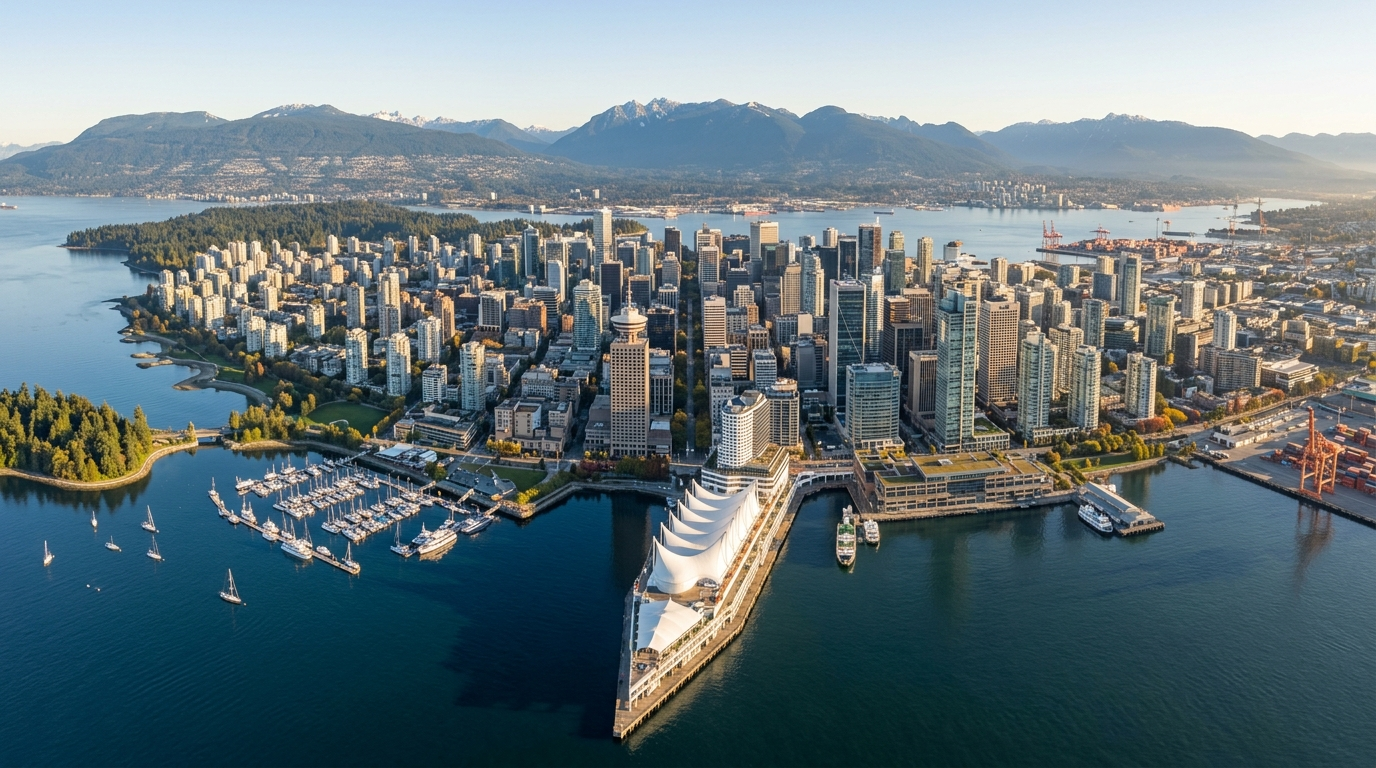
Vancouver
Vancouver stretches between the Pacific Ocean and the Coast Mountains, creating a natural setting that shapes daily life for residents throughout this West Coast city. The downtown core rises against the waterfront, while established neighborhoods fan out in all directions, each with its own architectural character—from heritage Craftsman homes in older residential areas to modern towers near the center and family-oriented subdivisions on the periphery.
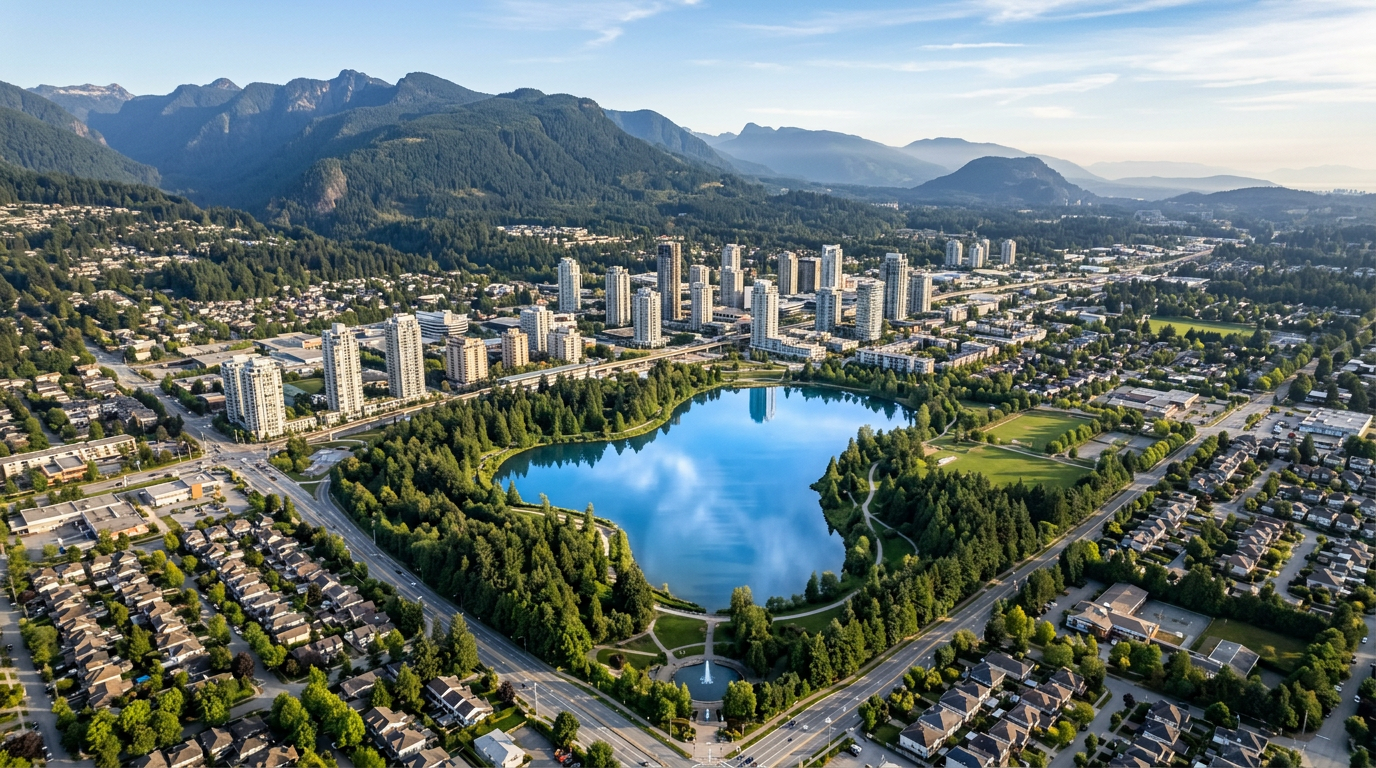
Coquitlam
Coquitlam unfolds across the northeast reaches of Metro Vancouver, where forested ridges meet residential hillsides and the Fraser River defines the southern boundary. The city's geography creates distinct pockets—established single-family neighborhoods with mature trees on gently sloping streets, townhome communities near transit corridors, and newer condo towers rising around central hubs. Housing styles range from mid-century ranches to contemporary West Coast designs with glass and natural wood.